Cotton Candy grapes, Cosmic Crisp apples and Sweetest Batch berries prove branding works in produce. Most of the category just hasn’t tried it. So where does a produce brand actually get built? Fifteen years ago, the answer was mostly in the store. It isn’t anymore.
Before they get to the store
Research from Provoke Insights found that only 15% of consumers say they buy produce on impulse. Most shoppers decide what they’re buying before they walk into the store. They’re making that call at home, on their phones, in search results and social feeds. That’s where the produce brands have done the least work.
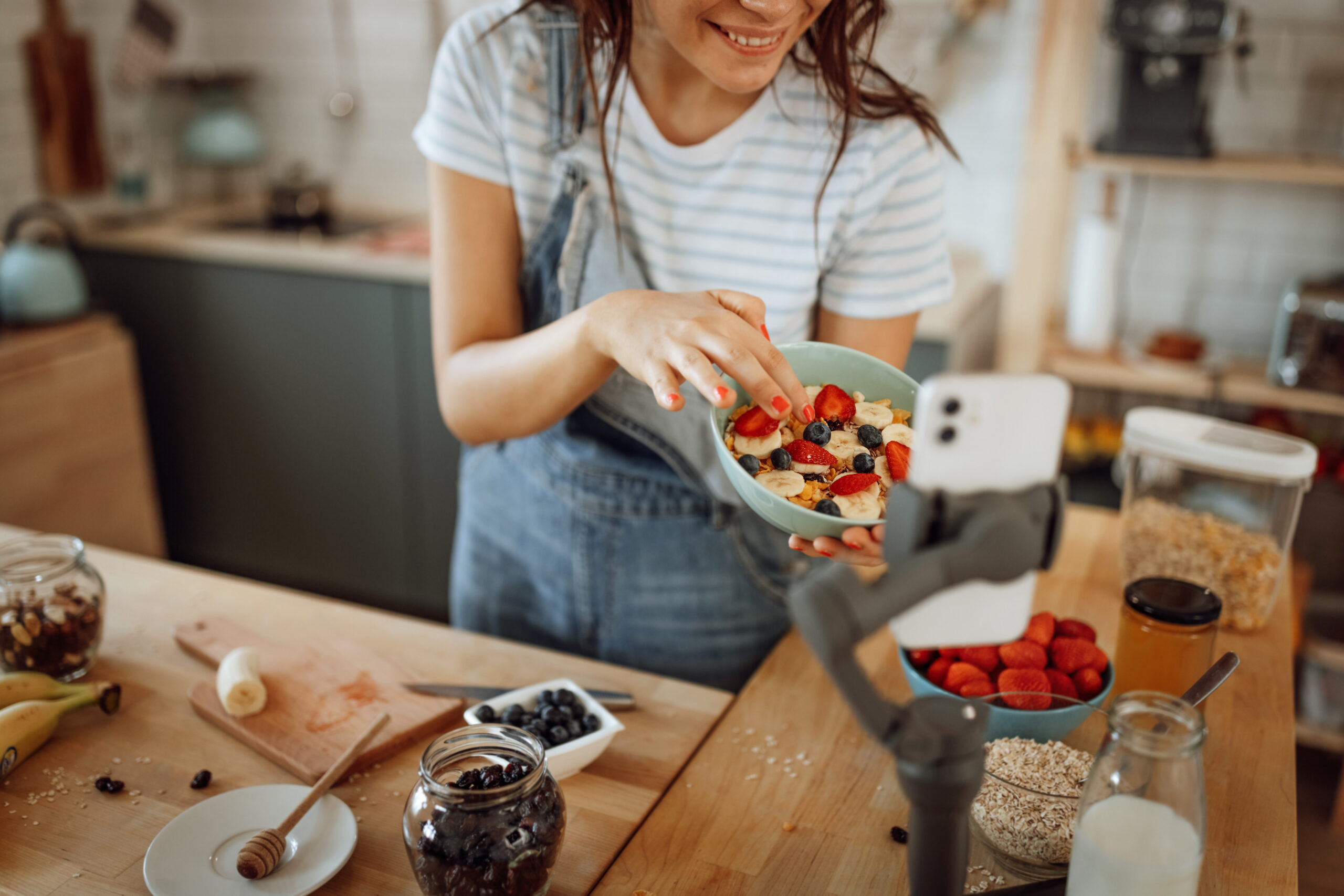
The search that matters most in this business is almost never a brand name. It’s the item. People are searching, and increasingly asking AI assistants, how to tell if a pear is ripe, what to do with kohlrabi or what to make for dinner with potatoes, and those answers get assembled from whatever is publicly available and credible about your product. Meanwhile, most produce websites are built for produce retail buyers, with the shopper as an afterthought. The most valuable thing you can own online is the answer to the question shoppers are actually asking: a recipe, a storage tip or a two-minute video on roasting Brussels sprouts, shared on your website and across your social channels.
Once you have something worth finding, the job is getting it in front of people who aren’t looking for you yet. That’s where creator partnerships, earned media and paid advertising come in.
Creator partnerships and earned media are how you borrow credibility you can’t manufacture on your own. Influencer and creator partnerships work when the creator has a genuine reason to be holding your product. They fall flat when it’s merely a product shot with a generic caption underneath. Food writers will cover a branded item, especially a new one. A launch, a new variety or a genuine first gives them something worth writing about: why a new tomato variety exists, what makes it different from what’s already on shelf, tips for keeping raspberries fresh longer. If your product is the story, you’re in it.
Paid is what makes the rest travel. Social and online advertising, paid media and retail media networks let you put the recipe that already performed well in front of people who would never have found it, in the markets and at the retailers where you’re actually on shelf. Retail marketing is exploding both online and in the store. If you are interested in increasing your ROAS or new-to-brand customer rate, let’s talk.
At the shelf
While most produce companies treat retail as a distribution channel for their product, it’s actually the highest-intent media you will ever get access to.
All the marketing you did beforehand exists to change what happens in those few seconds when a shopper is scanning the shelf. If they know your name, they’re confirming a decision they already made. If they don’t, they’re comparing three clamshells on price and appearance, and that’s a comparison you could lose.
Packaging is one part of that moment, not the whole of it. Shoppers take it in alongside the display, the signage and the item next to it, all in one glance. It should say what the rest of your marketing is already saying, so the shopper is ready to buy.
After they gets home
In most of the store, the package keeps working long after checkout. A cereal box sits on the counter for three weeks. A condiment label faces out in the fridge door every time somebody opens it. Produce gets washed, the sticker comes off and the bags get emptied into the fruit bowl.
That means a good experience often goes unattributed. They liked the berries but may have no idea whose they were. Without a name attached to that memory, their next trip starts over and they’re back to comparing on price.
The brands that win the second purchase give shoppers something to hold onto besides the taste: a name that’s easy to say, a reason to come back to your site, a mark they’ve seen enough times to start looking for. Repeat purchase is what turns a good product into a brand they know.
One message, said everywhere, for years
All of this depends on deciding what you stand for and then being disciplined about saying it. It’s a single claim that shows up on the front of your bag, your website homepage, in social media content and advertising, roughly the same words, said for years. Cuties are small and easy enough for a kid to peel without help. That has been the entire idea for two decades. Ask a parent what a Cutie is and they can tell you.
For most produce brands, the strongest long-term message is nutrition. Most Americans still don’t eat enough fruits and vegetables, while the rest of the store is full of products promising benefits fruits and vegetables have always had. But a nutrition story only works if it’s specific enough for a dietitian to defend and simple enough for a shopper to repeat.
The assignment hasn’t changed
Fifteen years ago, I had a handful of places to reach the target shopper and one clear picture of who she was (because mostly likely it was a she). That picture looks different now.
Today’s shopper is deciding before they leave the house, based on a recipe they saved, a creator they follow or an answer an AI assistant handed them. They’re younger than the shopper in my old briefs, more skeptical of a claim they can’t check and more willing than any generation before them to pay for a produce item because of the name on it. There used to be a handful of ways to reach them. Now there are more than any one marketing plan can cover. And the shelf space that closes the sale hasn’t gotten any bigger.
That’s the real shift. Building a produce brand used to happen mostly in the store. Now most of the work happens before and after it. It’s the content you share, the people who vouch for you, the ads that reach new shoppers, the package that confirms the choice and the name they remember a week later. It all works better when it’s saying the same thing.
If you’re rethinking where your brand shows up beyond the package, that’s the work we do at Wild Hive. We help food and agriculture brands earn recognition before anyone reaches the shelf.